November 10, 2026
A comfortable, energy-efficient residence depends on far more than standard insulation concealed within interior walls. Creating a reliable barrier against extreme weather requires a balanced building envelope where windows, roofing, and siding operate in synchronized harmony. When these primary exterior components align properly, they establish a unified thermal shield that minimizes conductive heat transfer, stops persistent air drafts, and prevents destructive moisture penetration throughout the structure. Understanding how this structural triad interacts empowers homeowners to make strategic renovation decisions, preserve indoor climate stability, and protect long-term property value over decades of seasonal changes.
Understand the Fundamentals of Home Thermal Envelopes
A residential thermal envelope serves as the continuous physical boundary separating conditioned living areas from harsh outdoor elements. When this protective barrier performs properly, heating and cooling equipment operates smoothly without excessive mechanical cycling or sudden temperature spikes. High-performance insulation materials provide the necessary thermal resistance to counteract conductive, convective, and radiant heat movement across building surfaces. Choosing quality products for ceilings, exterior walls, and window openings prevents rapid indoor temperature shifts, ensuring that living spaces remain consistently comfortable while reducing household power consumption across every season of the year.
A resilient thermal barrier also shields structural framing from moisture damage and eliminates persistent air leaks that overburden mechanical systems. When exterior air penetrates outer walls or degraded window frames, heating and cooling units run continuously to maintain target temperatures, wearing out costly components before their expected lifespan. Homeowners seeking consistent thermal management often turn to expert window services to evaluate structural weak spots and optimize perimeter seals. Sealing frame joints and insulating outer building assemblies preserves structural integrity, creating a dependable thermal envelope that maintains indoor comfort throughout the coldest winters and warmest summers.
Optimize Glass Performance With Modern Window Technologies
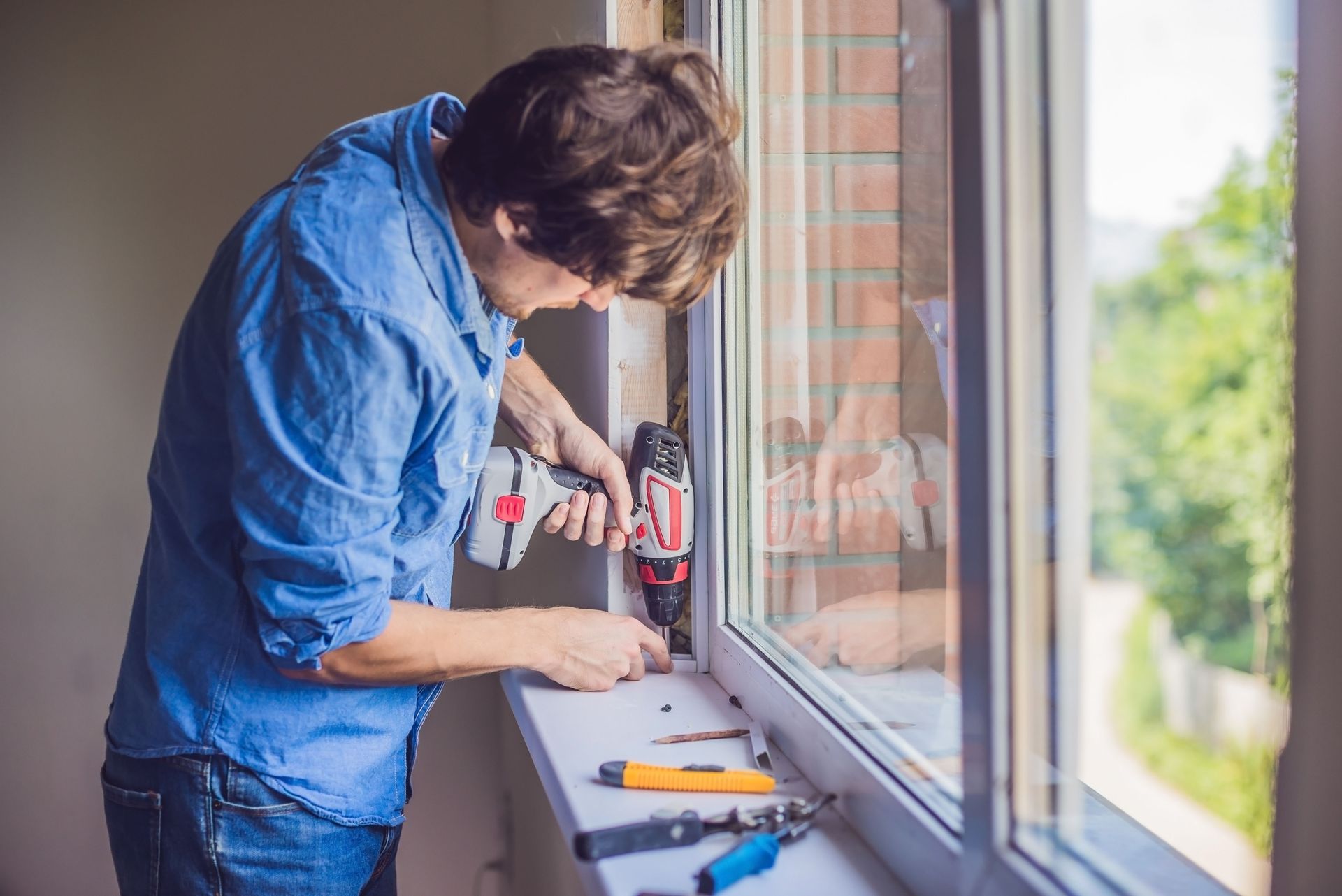
Windows represent a primary thermal vulnerability in almost every residential structure. Modern replacement windows feature advanced engineering, utilizing multi-pane glass assemblies separated by insulating inert gas fills to curb conductive heat transfer. Specialized low-emissivity glass coatings reflect long-wave infrared heat toward its origin while admitting plenty of natural daylight, keeping living rooms cozy in winter and pleasantly cool during humid summers. Scheduling specialized window services ensures that newly installed units supply the exact thermal resistance needed to eliminate persistent drafts and block unwanted solar heat gain across exterior walls.
Precision weatherstripping, proper flashing integration, and strategic window placement substantially enhance overall thermal performance across the building. Quality weatherstripping seals perimeter gaps, preventing indoor conditioned air from escaping around operable window sashes and stationary jambs. According to data published by This Old House, more than 89% of 1,000 surveyed homeowners experienced a measurable drop in their monthly energy costs after upgrading to new window units. Securing dedicated window services gives homeowners access to premium insulating products that protect indoor air quality, prevent condensation damage, and lower seasonal utility bills year after year.
Strengthen Roof Defenses Against Extreme Seasonal Weather
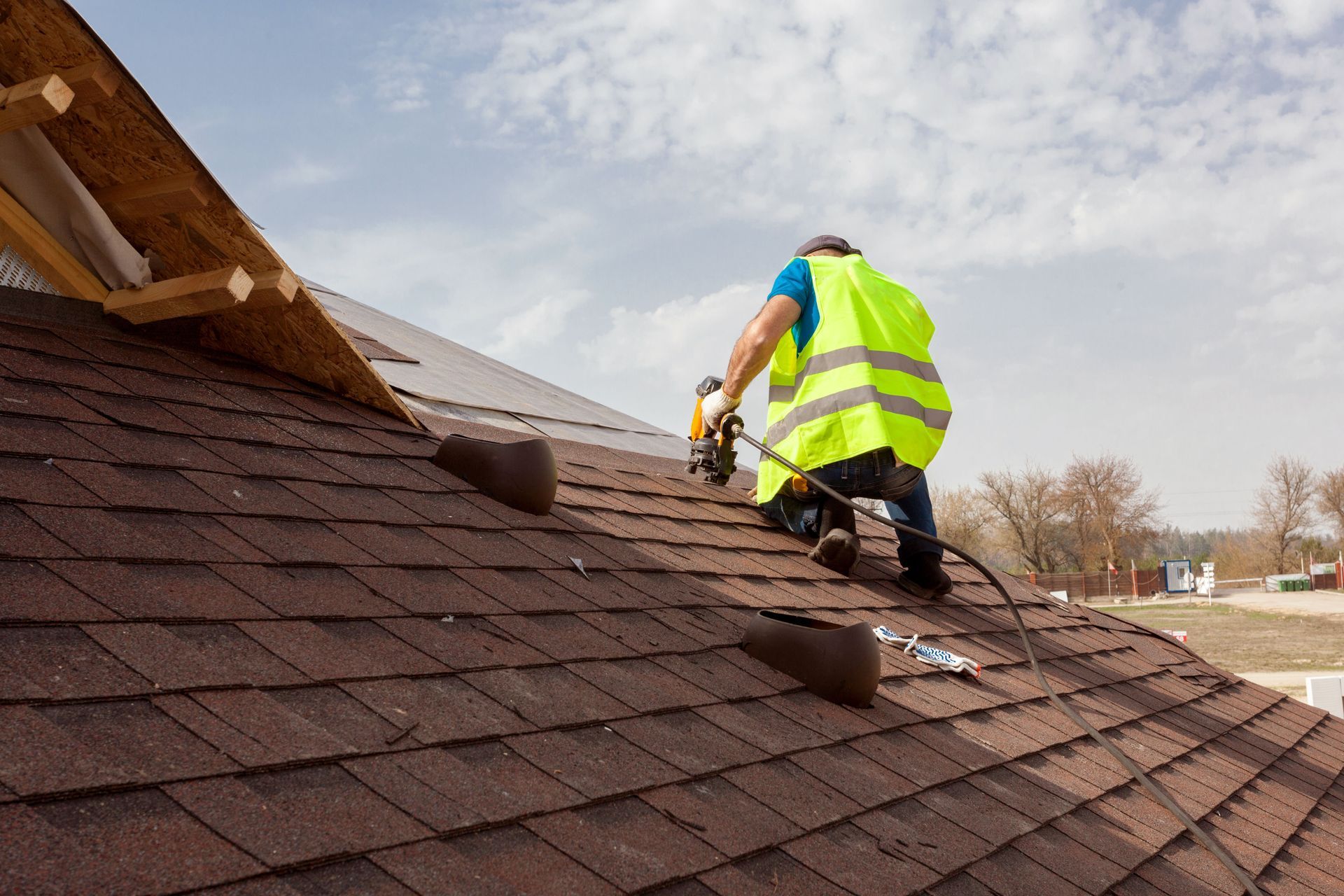
Roofing serves as the primary overhead defense against persistent sunlight, driving precipitation, and freezing temperatures. Choosing resilient roofing materials tailored to regional climate demands plays an essential role in preventing overhead heat gain and structural wear. Reflective metal panels and specialized shingles bounce harsh solar rays away from the attic deck, preventing intense thermal accumulation on blistering summer afternoons. In colder regions, durable architectural shingles and composite tiles stop conditioned indoor warmth from escaping through the upper roof deck into freezing outdoor air, conserving valuable household heat.
High-performance roofing systems depend on a balanced relationship between exterior shingles, underlayment barriers, and attic ventilation channels. Protective underlayment acts as a crucial moisture and thermal shield beneath shingles, guarding the roof deck against water infiltration and thermal transfer. Balanced intake and exhaust vents maintain constant airflow beneath the roof sheathing, carrying excess humidity and trapped thermal energy safely away from attic insulation. Routine roof inspections help homeowners identify cracked shingles, worn sealant, or blocked vents before moisture intrusion degrades internal insulation batting and damages roof trusses.
Fortify Exterior Walls With High-Performance Siding
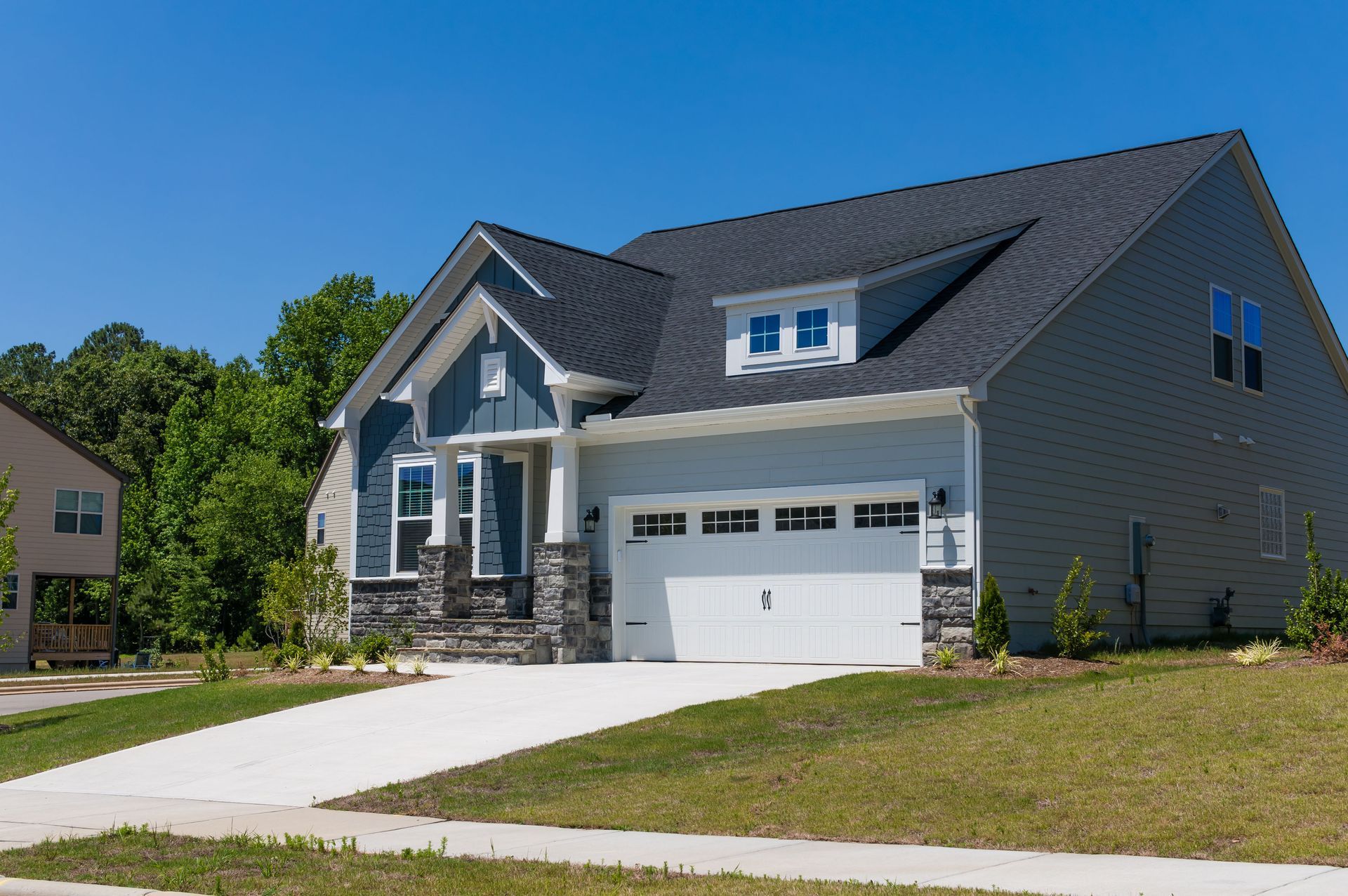
Siding wraps the vast majority of a home's exterior surface, serving as an indispensable shield against outdoor temperatures. Advanced cladding products, including insulated vinyl, fiber cement, and engineered composite siding, establish an unbroken defensive layer around residential wall framing. Insulated siding options incorporate rigid foam backing that eliminates thermal bridging, a phenomenon where wooden wall studs conduct heat straight through exterior walls. Installing high-grade cladding shields structural framing, ensuring that exterior walls maintain consistent resistance against outdoor temperature extremes while elevating residential curb appeal.
Durable siding also functions as an impermeable shield that prevents rain, sleet, and humidity from penetrating structural wall cavities. Trapped moisture degrades traditional wall insulation, rots wooden studs, and encourages mold growth that compromises indoor air quality. By blocking moisture penetration and shielding walls from strong winds, quality siding preserves interior insulation materials over decades of exposure. Coordinating exterior cladding maintenance with routine window services ensures that wall penetrations and window jambs remain sealed against water leaks, mold proliferation, and persistent air drafts.
Coordinate Exterior Layers for Maximum Energy Conservation
The true power of home insulation emerges when windows, roofing, and siding operate as a synchronized protective system. A building envelope cannot tolerate gaps, meaning the transitions where siding meets window casings or roof eaves must be sealed completely. Professional window services coordinate with siding specialists to interlock protective flashing, vapor retarders, and water-resistive barriers into a unified exterior envelope. Eliminating perimeter gaps prevents heated or cooled indoor air from escaping while stopping humid outdoor air from penetrating building walls and damaging structural framing.
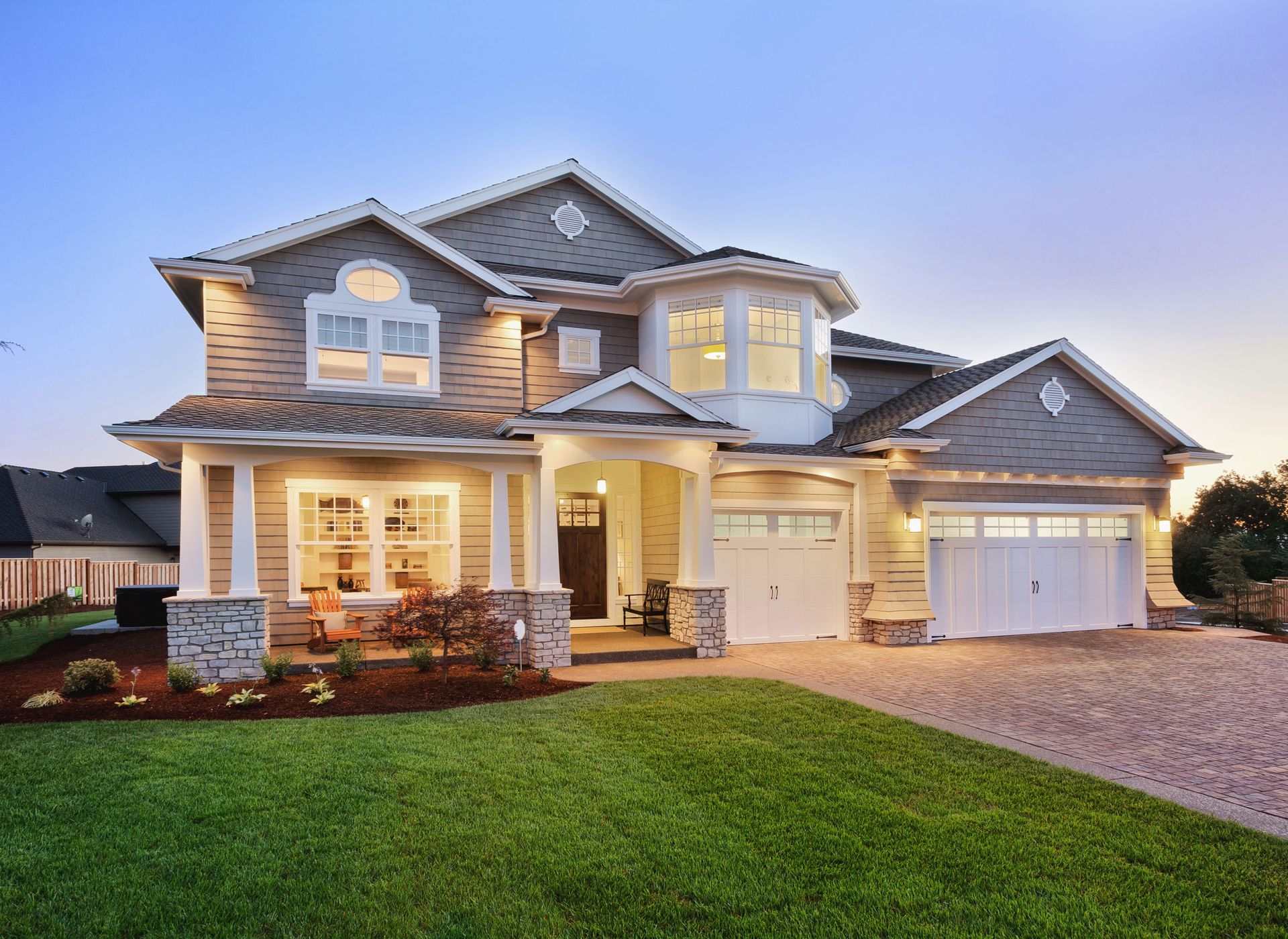
A continuous thermal barrier also delivers secondary advantages, including superior sound dampening and enhanced exterior aesthetics. Thick insulated siding paired with multi-pane windows softens neighborhood sounds, passing traffic, and gusty winds, creating a calm and peaceful living environment. Coordinated exterior materials also revitalize curb appeal, raising property values and expanding future resale appeal. When roofing, siding, and window assemblies are designed to work together, homeowners eliminate cold spots and enjoy uniform indoor comfort across every room in the house.
Maximize Building Performance With Professional Installation
Achieving superior home insulation requires careful planning, specialized knowledge, and meticulous installation techniques. While simple tasks like caulking baseboards or replacing small weatherstripping strips are manageable weekend projects, comprehensive exterior upgrades require experienced contractors. Certified exterior specialists understand regional building codes, local climate patterns, and material compatibility requirements. Contracting comprehensive window services guarantees that flashing systems, expanding foam insulation, and structural fasteners are positioned accurately to prevent thermal leaks, structural settling, and moisture intrusion over time.
Strategic exterior renovations also unlock valuable financial incentives, including utility rebates and energy efficiency programs that help offset upfront project costs. Conducting a professional energy audit allows homeowners to pinpoint hidden insulation voids and prioritize exterior improvements effectively. Combining high-efficiency roofing, insulated cladding, and certified window services yields lasting financial returns through lower utility expenses and prolonged structural durability. Quality workmanship ensures that every layer of the exterior envelope performs at peak capacity throughout changing seasonal conditions.
A coordinated exterior building envelope delivers an exceptional defense against seasonal weather shifts, escalating utility costs, and structural deterioration. By treating windows, roofing, and siding as an integrated system, homeowners create an airtight thermal barrier that preserves indoor comfort across every month of the year. Investing in high-grade materials and skilled craftsmanship protects indoor air quality, stops energy waste, and secures lasting property value. Contact us at Viking Exteriors today so we can evaluate your home and install a seamless exterior protection system tailored to your budget.