October 9, 2026
A home exterior relies on visual harmony between major structural elements to create lasting curb appeal and structural beauty. While window trim and front entryways add distinct character, the roof and siding form the primary color palette of your property. Designing from the top down allows homeowners to establish a dominant anchor tone before selecting complementary exterior cladding shades. Partnering with an experienced local roofing company ensures that material longevity, color durability, and regional architecture work together seamlessly. Understanding how light, material textures, and contrast affect overall presentation empowers property owners to make confident aesthetic decisions. Taking time to plan your exterior palette elevates street presence while protecting your long-term housing investment.
Understanding the Visual Realities of Color Theory
Every successful exterior design relies on fundamental principles of color harmony, temperature, and visual scale across architectural features. Warm shades like deep browns, warm grays, and terracotta tiles create inviting tones, whereas cool slates, charcoal grays, and crisp whites deliver clean modern lines. Consulting a professional local roofing company helps property owners visualize how various roof shades balance against siding swatches under different lighting conditions. Natural sunlight alters color perception dramatically throughout the day, making direct site evaluations essential before finalizing material selections. According to This Old House, over the past three years, nearly 31% of homeowners nationwide have pursued roof renovation, repair, or maintenance projects, highlighting how frequently property owners update exterior features. Establishing a clear color relationship early ensures that new installations enhance your home’s permanent architectural style.
Selecting Roof Materials and Primary Color Anchors
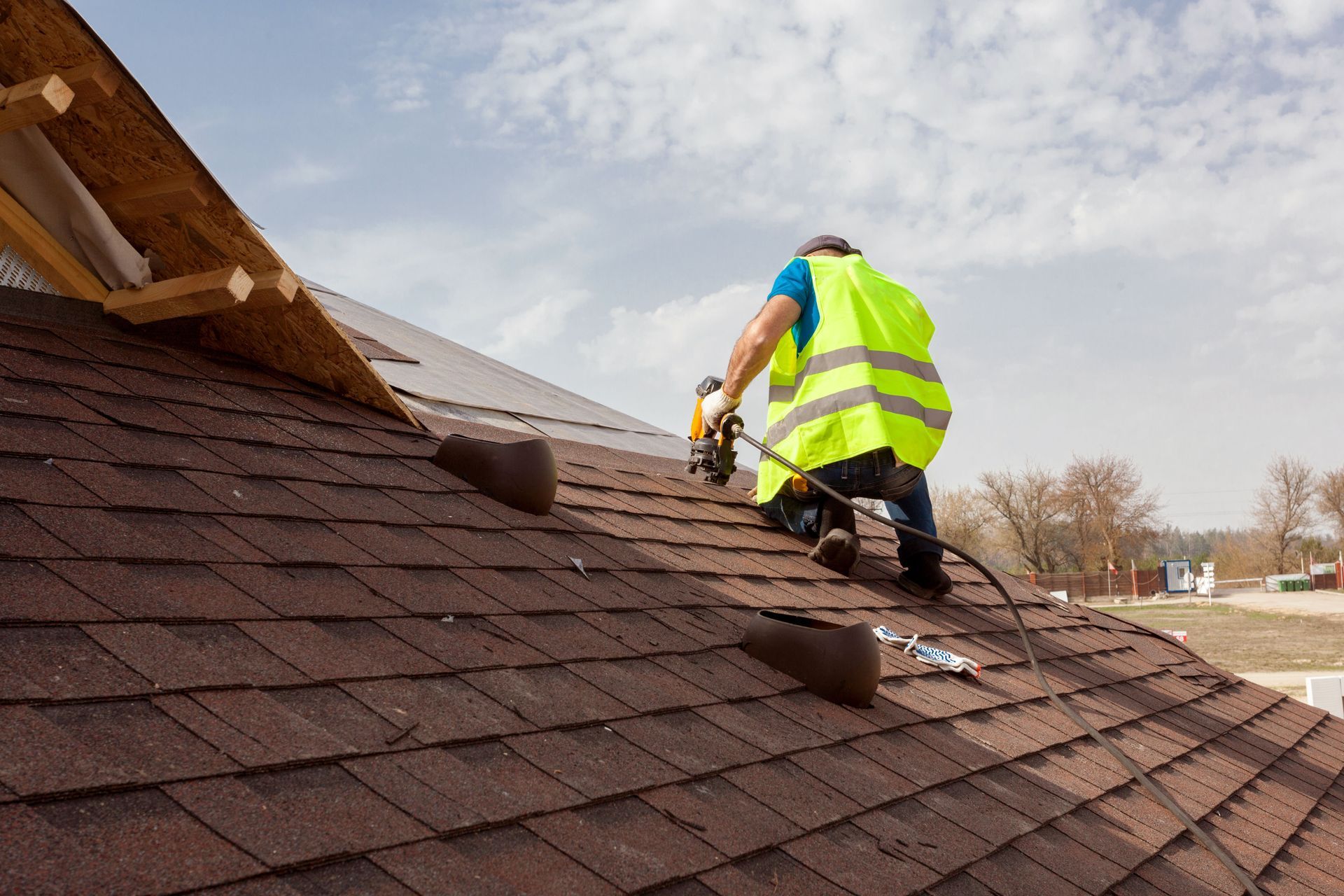
Roofing materials serve as the primary visual foundation because overhead surfaces occupy significant visual space along any residential elevation. Architectural asphalt shingles offer versatile color blends ranging from subtle weathered wood tones to bold estate black, providing maximum flexibility for surrounding siding colors. Clay tiles and natural slate provide rich, organic textures that pair best with warm stucco, stone veneer, or deep earth-toned siding. A knowledgeable local roofing company guides homeowners through material options that balance climate durability with aesthetic goals. Choosing a durable primary roof shade gives you a reliable baseline around which all future siding and trim decisions can revolve effortlessly.
Utilizing Contrast to Highlight Architectural Details
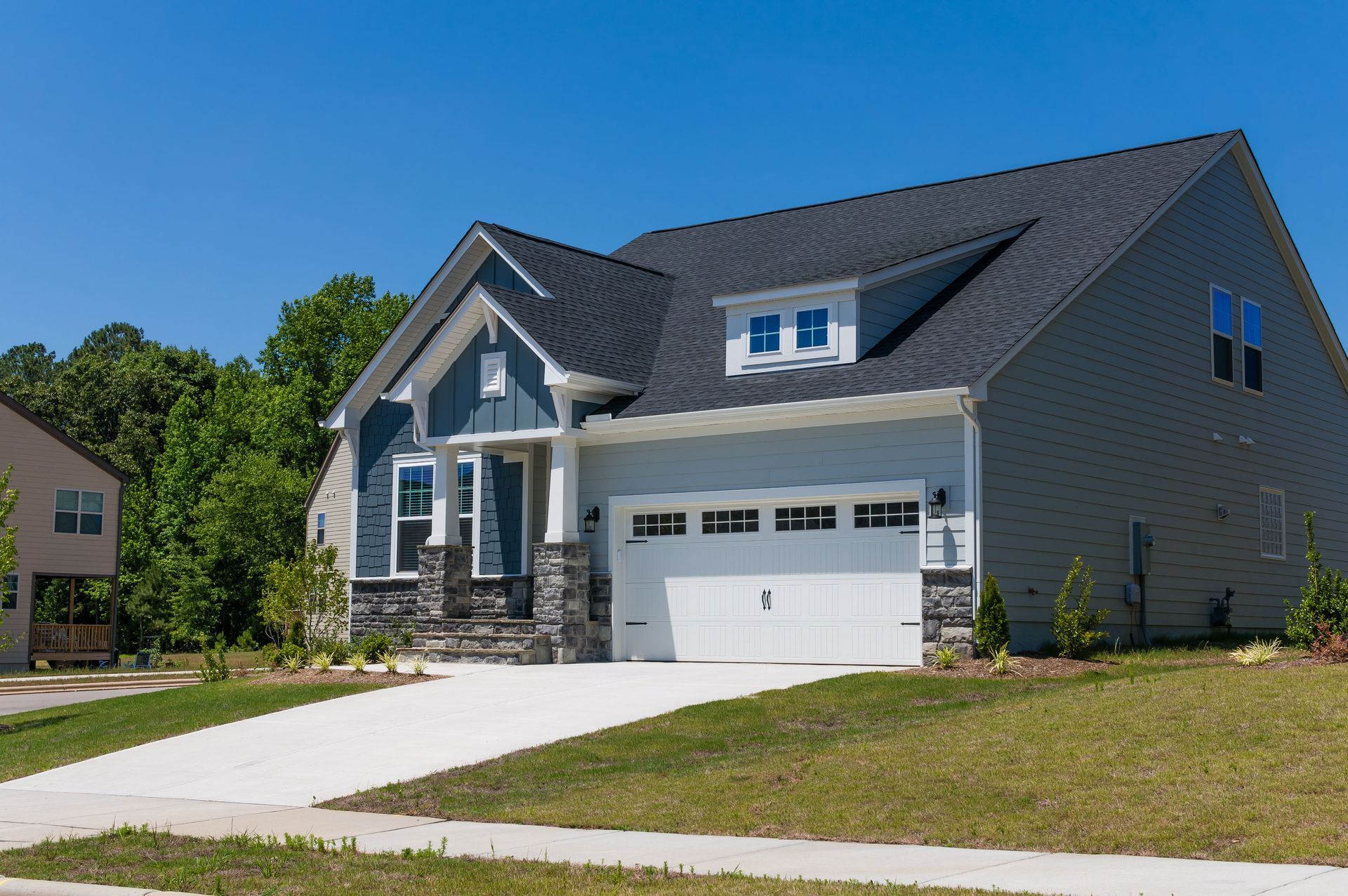
Contrast plays a critical role in defining house proportions, emphasizing rooflines, and creating attractive visual dimension across exterior walls. Light siding paired with dark roofing creates a crisp, classic profile that makes smaller homes feel taller and more defined against surrounding landscapes. Conversely, dark siding paired with lighter roof tones creates a grounded, modern aesthetic that highlights complex roof shapes and gables. An established local roofing company can demonstrate how subtle contrast variations alter the perceived scale and depth of your residence. Balancing contrast prevents your home exterior from appearing monotonous, washed out, or visually heavy.
Harmonizing Siding Materials With Overhead Textures
Textural interaction between siding and roofing materials influences color perception just as much as hue selection itself. Smooth vinyl cladding, vertical board-and-batten, fiber cement, and rough-cut stone each reflect light differently across various angles. When pairing textured roofing shingles with multi-textured wall materials, neutral color bridge choices prevent competing patterns from overwhelming the eyes. A reliable local roofing company helps curate material pairings that complement structural line patterns rather than fighting against them. Integrating complementary textures ensures a smooth visual transition from top-level roof edges down to ground foundation walls.
Factoring in Climate, Sun Exposure, and Energy Performance
Geographical climate and daily sun exposure significantly impact both the longevity and energy performance of exterior material colors. Lighter roof shades reflect solar energy effectively, keeping attic spaces cooler in sunny southern climates, while darker hues absorb heat during cold northern winters. Constant UV exposure can fade vibrant siding and roofing colors over time, making UV-resistant finish selections essential for long-term satisfaction. Relying on a dedicated local roofing company ensures that selected color palettes hold up well against regional climate challenges without premature fading. Smart color choices merge energy-efficient material performance with lasting visual elegance.
Incorporating Accent Colors for Trim, Doors, and Shutters
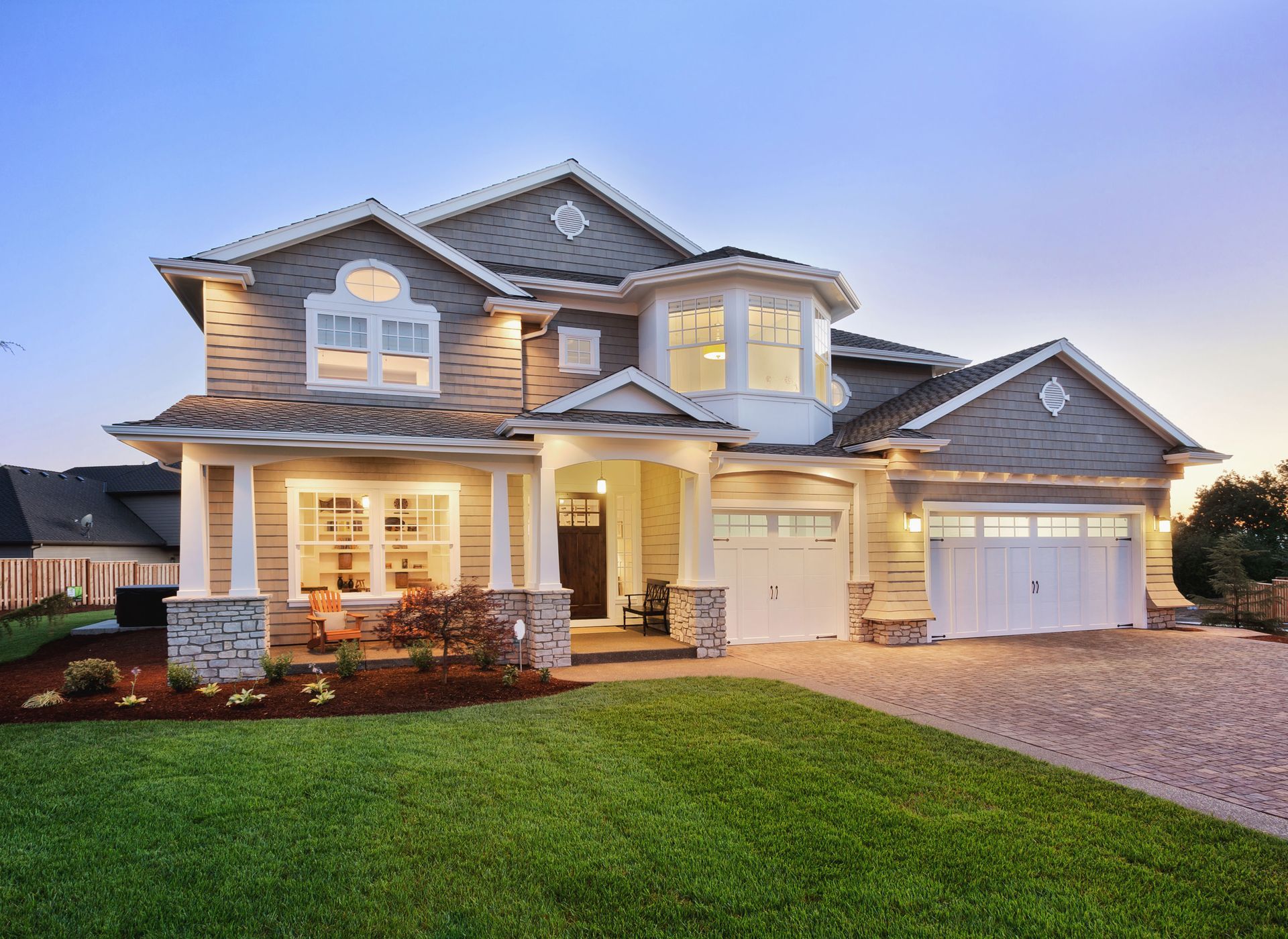
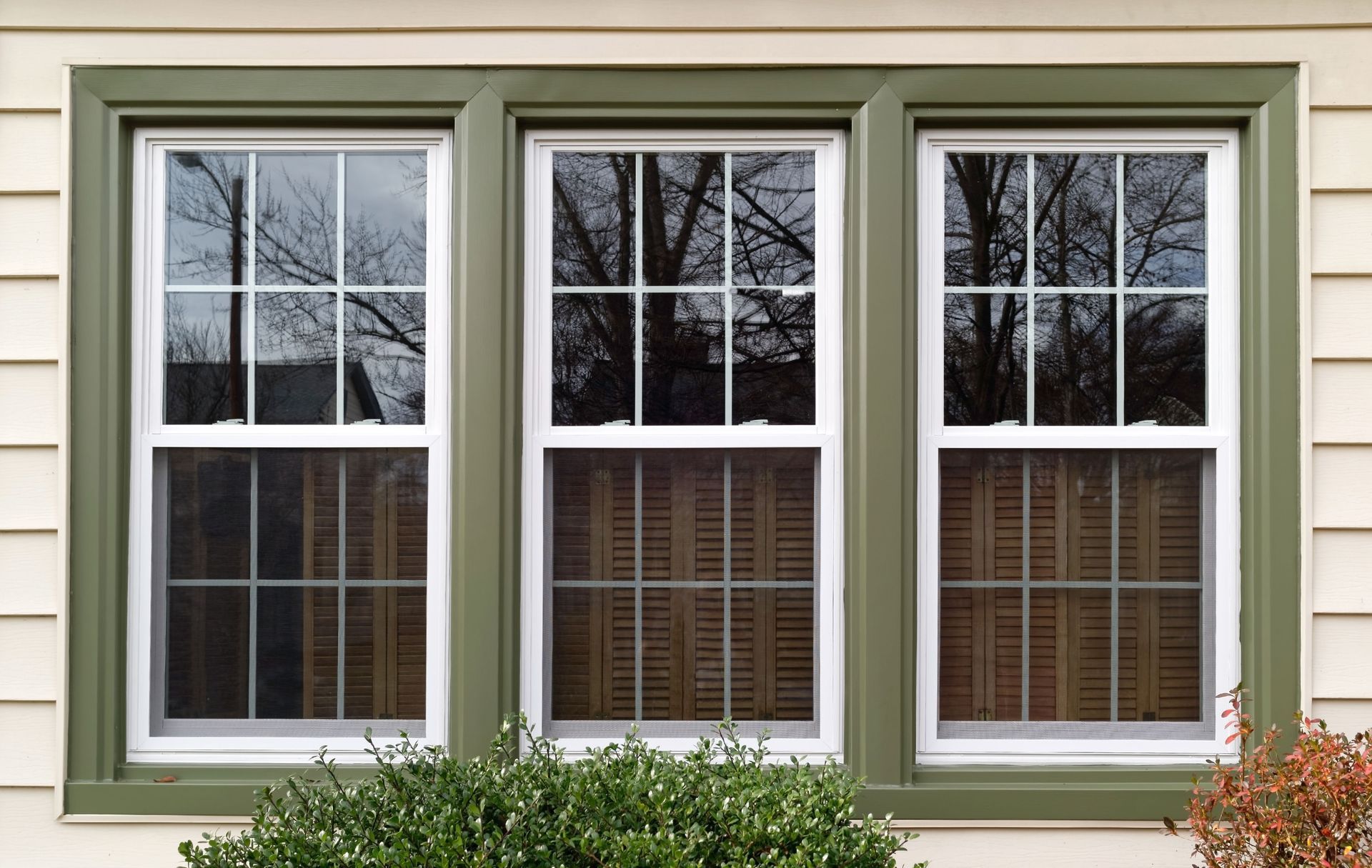
Once primary roof and siding colors are established, accent colors provide the ideal opportunity to add personal flair without disrupting overall harmony. Window casings, garage doors, shutters, and front entries benefit from accent shades that tie together overhead and wall tones seamlessly. Utilizing a neutral secondary shade on fascia boards creates a clean visual boundary between roof shingle lines and vertical siding panels. A skilled local roofing company recommends trim finishes that accentuate craftsmanship without competing against main exterior colors. Thoughtful accent placement transforms simple color palettes into sophisticated, cohesive design statements.
Respecting Regional Architecture and Neighborhood Context
A home’s surrounding environment and neighborhood context should always inform major exterior color changes to ensure cohesive street appeal. Coastal homes often feature soft pastels, sandy neutrals, and light slate roofs, whereas wooded lots complement deep greens, rich tans, and charcoal tones. Selecting colors that fit your local neighborhood preventing your home from looking out of place while preserving overall subdivision value. A reputable local roofing company brings valuable experience regarding local architectural trends, subdivision guidelines, and historical color requirements. Aligning your personal design preferences with neighborhood character creates lasting beauty that honors regional identity.
Evaluating Material Swatches in Real-World Light
Tiny sample boards inside a showroom can look drastically different when placed against actual exterior walls under natural daylight. Morning sunlight, direct mid-day heat, and overcast evening light cast varying color tones across roof shingles and siding panels alike. Property owners should request physical material swatches from their local roofing company to evaluate colors on site over several days. Observing sample panels against existing stone, brick, and surrounding foliage guarantees that chosen hues harmonize under all weather conditions. Thorough real-world testing prevents costly material mismatch mistakes before actual installation day arrives.
Planning for Long-Term Material Durability and Maintenance
Exterior colors must remain vibrant and attractive through decades of wind, rain, snow, and changing seasonal temperatures. High-quality roofing shingles and advanced siding materials come with specialized protective coatings designed to resist algae growth, chalking, and moisture damage. Working with a dependable local roofing company ensures access to top-tier materials backed by solid manufacturer warranties. Understanding routine maintenance requirements, such as periodic gentle washing, preserves fresh color contrast across all exterior surfaces year after year. Long-term planning guarantees that your carefully coordinated design maintains its pristine curb appeal for decades.
Navigating Community HOA Guidelines and Local Codes
Many residential developments enforce Homeowners Association guidelines or historic district codes regarding approved exterior color schemes and material types. Submitting material samples and formal design plans for approval before purchasing products avoids expensive compliance issues down the road. An experienced local roofing company assists homeowners by providing complete material specifications, color swatches, and technical details required for board reviews. Following proper approval procedures ensures that your roof and siding renovation proceeds smoothly without unexpected delays or fines. Thorough preparation allows you to focus on achieving a beautiful exterior while staying fully compliant with community standards.
Achieving a beautiful, well-balanced home exterior starts with designing from the top down and carefully matching your roof and siding colors. By evaluating color theory, material textures, natural lighting, and regional architectural trends, property owners can transform their home's street presence. Partnering with seasoned exterior professionals guarantees that your material investments provide both structural protection and lasting aesthetic harmony. Proper planning ensures that every shingle, panel, and trim board works together seamlessly to elevate your property's value. To discover complete exterior installation and color coordination solutions customized for your home, contact Viking Exteriors to schedule your design consultation today.