June 3, 2026
A home's roof does far more than complete its appearance. It serves as the first line of defense against weather, helps regulate indoor temperatures, and protects the structural integrity of the property. As more homeowners focus on long-term property value and preventative maintenance, roof renovations have become a growing priority across the country. In fact, according to This Old House, almost 31% of homeowners throughout the United States have undertaken roof renovation, repair, or maintenance projects within the last three years. This increased interest in roofing reflects a broader trend toward proactive home improvement investments that improve both performance and peace of mind.
Whether a roof is showing signs of age, suffering from storm damage, or simply no longer meeting modern efficiency standards, renovation projects can provide significant benefits. Understanding the reasons behind this trend and knowing what to expect during the process can help homeowners make informed decisions about their property.
Planning Renovations for Long-Term Value
One of the primary reasons homeowners pursue roof renovations is to protect the value of their investment. A roof that is nearing the end of its lifespan can create a range of problems, including leaks, moisture intrusion, insulation issues, and structural deterioration. Addressing these concerns before they become severe often saves money and prevents costly repairs elsewhere in the home.
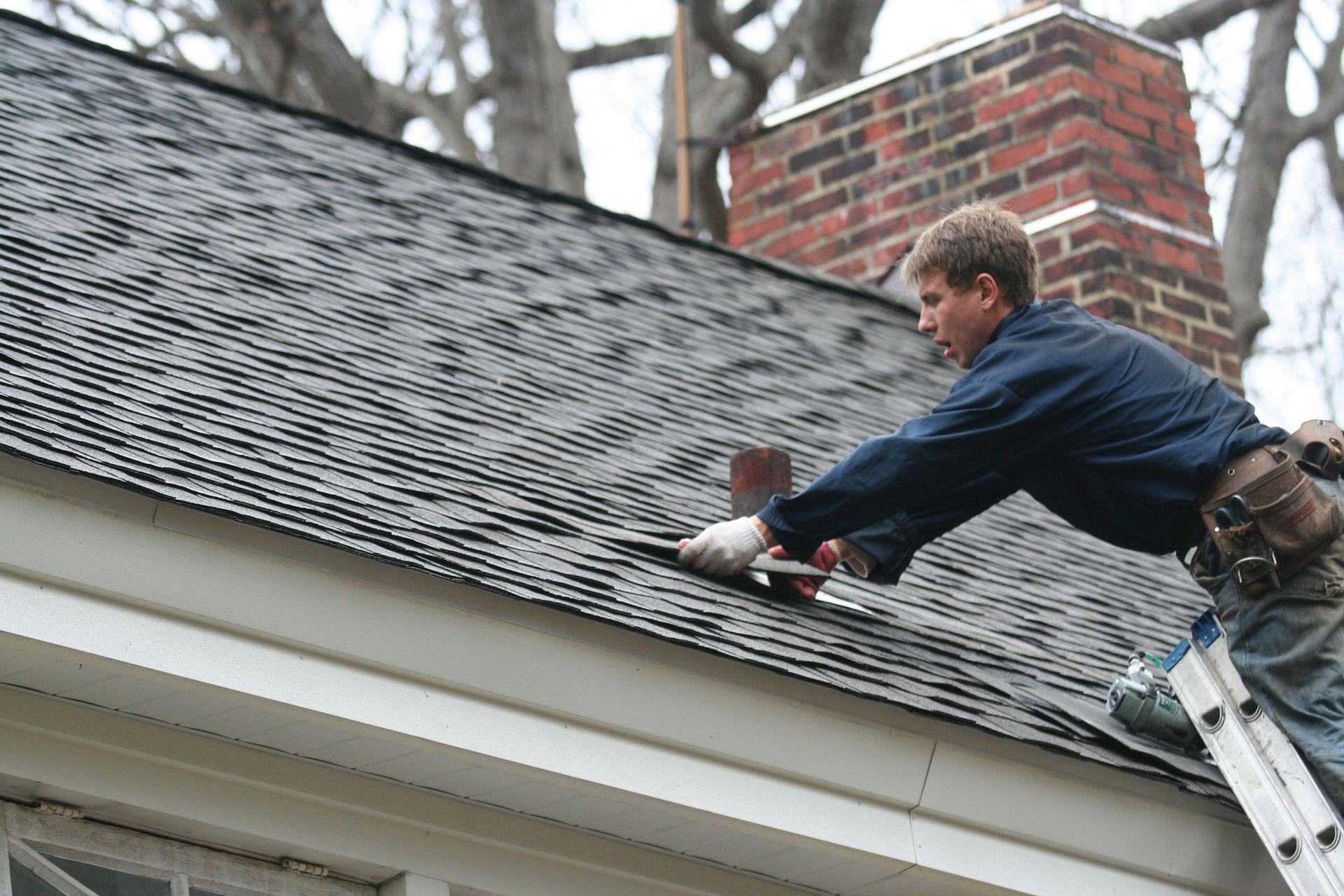
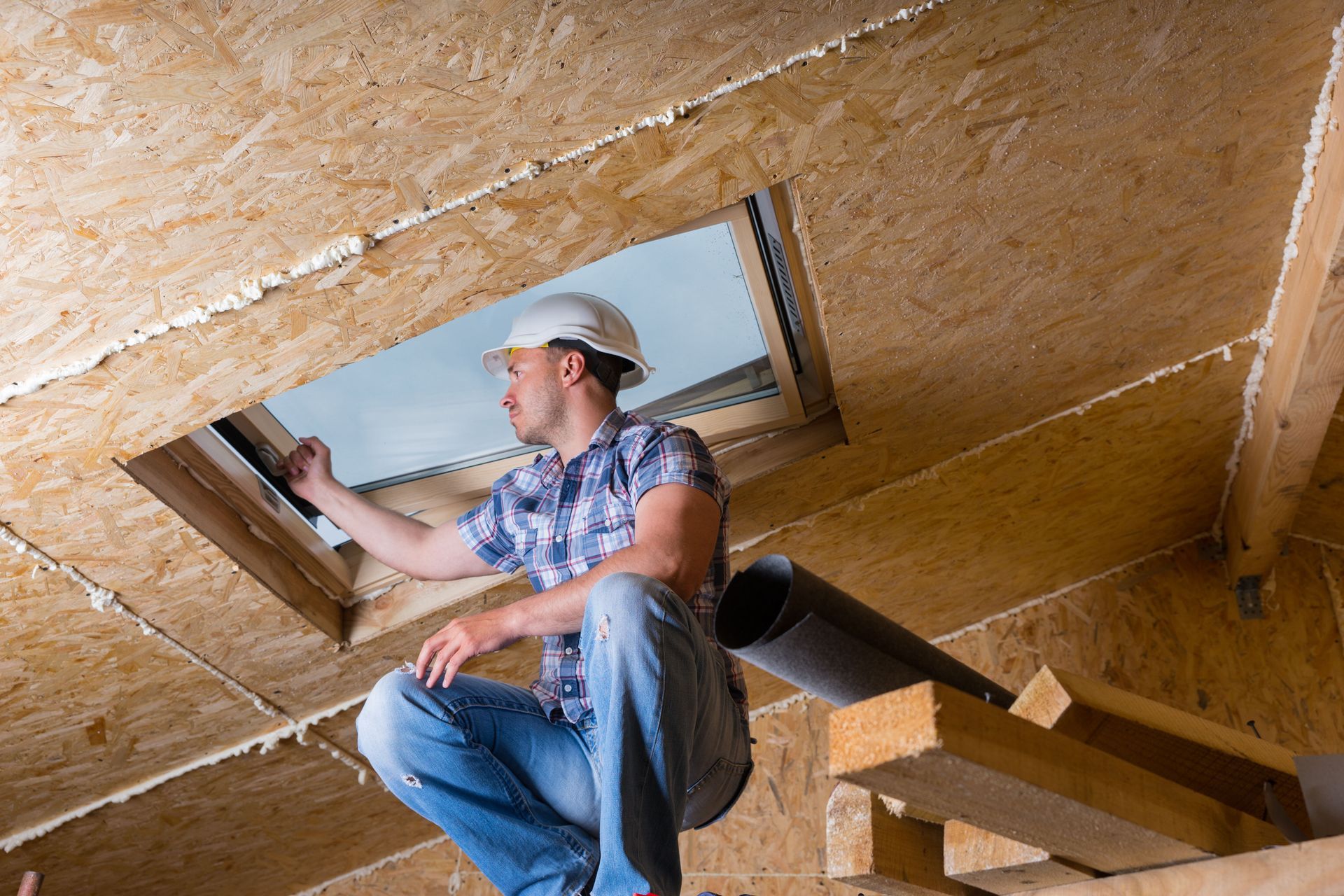
Successful renovation projects begin with a thorough evaluation of the roof's condition. Professional inspections can identify damaged shingles, weakened decking, flashing failures, ventilation problems, and other issues that may not be visible from the ground. By understanding the roof's current state, homeowners can determine whether repairs, partial replacements, or full renovations are the most practical solutions.
Budget planning also plays a major role in the renovation process. Costs vary based on roof size, material selection, labor requirements, and regional factors. Establishing realistic expectations early helps homeowners prioritize improvements while avoiding unexpected financial surprises. Careful planning ensures that roofing projects deliver lasting benefits rather than temporary fixes.
In addition to immediate repairs, homeowners should consider future goals for the property. Those planning to sell within a few years may focus on improvements that enhance curb appeal and marketability. Others who expect to remain in their homes for decades may prioritize durability, energy efficiency, and long-term maintenance reduction.
Choosing Materials That Match Your Goals
Material selection is one of the most important decisions in any roof renovation project. Today's homeowners have more options than ever before, allowing them to balance aesthetics, performance, lifespan, and budget according to their specific needs.
Traditional asphalt shingles remain among the most popular choices because they offer affordability and versatility. Modern versions are available in a wide range of colors and styles, making it easier to complement various architectural designs. For many households, asphalt products provide a reliable solution that combines value and performance.
Metal roofing has also gained popularity due to its durability and longevity. Metal systems can withstand severe weather conditions, resist fire, and often require less maintenance than other materials. Many homeowners appreciate their modern appearance and potential energy-saving benefits, especially in regions with intense sun exposure.
Other materials, such as clay tiles, slate, and composite products, offer distinct advantages as well. Each option comes with different installation requirements, lifespan expectations, and maintenance considerations. Consulting with experienced professionals helps homeowners evaluate the strengths and limitations of each material before making a final decision.
Environmental considerations increasingly influence material choices as well. Some products incorporate recycled content, while others contribute to improved energy efficiency through enhanced reflectivity and insulation performance. These factors can support sustainability goals while potentially lowering utility costs over time.
Improving Efficiency Through Modern Upgrades
Roof renovations are no longer focused solely on replacing worn materials. Many projects now incorporate upgrades designed to improve overall home performance. These enhancements can increase comfort, reduce energy consumption, and extend the life of the roof system itself.
Proper attic ventilation remains one of the most overlooked aspects of roof performance. Without adequate airflow, excessive heat and moisture can accumulate beneath the roof surface. Over time, these conditions may contribute to material deterioration, mold growth, and reduced energy efficiency. Renovation projects often provide an ideal opportunity to address ventilation deficiencies.
Insulation improvements frequently accompany roof upgrades as well. Better insulation helps maintain consistent indoor temperatures throughout the year while reducing strain on heating and cooling systems. Homeowners often notice improved comfort levels and lower energy bills after these enhancements are completed.
Advancements in roofing technology have also introduced products designed specifically to improve energy efficiency. Reflective materials, cool roof systems, and specialized underlayments can help minimize heat absorption during warmer months. These features may be especially valuable in regions where high temperatures place significant demands on air conditioning systems.
Storm resistance has become another major consideration for homeowners. Enhanced fastening systems, impact-resistant materials, and upgraded waterproofing components can provide greater protection against severe weather events. Investing in these features may reduce future repair costs and increase overall confidence in the roof's performance.
Understanding Project Timelines and Expectations
A successful renovation requires more than selecting materials and setting a budget. Homeowners benefit from understanding the overall process and maintaining realistic expectations regarding project timelines and potential disruptions.
The first phase typically involves a comprehensive inspection and consultation. Contractors assess the roof's condition, discuss homeowner goals, and develop recommendations based on the property's needs. Detailed estimates and project plans help establish clear expectations before work begins.
Once materials are selected and scheduling is finalized, preparation activities may include permit acquisition, material delivery, and site protection measures. Contractors often take steps to safeguard landscaping, exterior features, and surrounding property during construction. These precautions help minimize disruptions and maintain safety throughout the project.
The installation phase varies depending on project complexity, weather conditions, and roof size. Some renovations can be completed within a few days, while larger or more complex projects may require additional time. Communication between homeowners and contractors is essential during this stage to address questions and provide progress updates.
After installation is complete, final inspections help verify workmanship quality and ensure all components have been properly installed. Reputable contractors typically review maintenance recommendations and warranty information with homeowners. This final step helps protect the investment and supports long-term performance.
Regular maintenance remains important even after a successful renovation. Periodic inspections, debris removal, and prompt attention to minor issues can help maximize the lifespan of the roof. Ongoing care ensures that homeowners continue to benefit from their renovation for many years to come.
Embracing Renovations Before Problems Escalate
Many homeowners wait until major issues develop before considering roof improvements. However, proactive renovations often provide greater value by addressing vulnerabilities before they result in extensive damage. Early action can reduce repair costs, minimize disruptions, and preserve the overall condition of the home.
Routine inspections play a critical role in identifying warning signs. Missing shingles, granule loss, sagging areas, water stains, and recurring leaks may indicate that a roof requires professional attention. Addressing these concerns promptly can prevent secondary damage to insulation, drywall, framing, and other structural components.
Proactive renovations also offer greater flexibility in planning and budgeting. Emergency replacements often occur under stressful circumstances following severe weather or significant failures. When homeowners act before urgent problems arise, they have more time to evaluate options, compare materials, and choose solutions that align with their goals.
As renovation trends continue to grow nationwide, homeowners increasingly recognize the importance of protecting one of their property's most valuable assets. Investing in quality
roofing improvements today can provide years of reliable performance, enhanced efficiency, and increased property value tomorrow.
At Viking Exteriors, we understand that every roof and every homeowner's goals are unique. We work closely with our clients to provide expert guidance, quality craftsmanship, and solutions designed for lasting performance. Contact us today, and let us help you protect your home with confidence and professionalism.